
When I assess a bathroom, one of the most common questions I hear is whether it makes sense to repair existing components or replace bathroom fixtures entirely. Many homeowners try to extend the life of faucets, shower valves, and drains without realizing that repeated repairs often cost more in the long run. The decision is not only about appearance. It directly affects water efficiency, plumbing reliability, and property value. I approach this evaluation with a technical and financial lens so that the solution supports long term performance rather than temporary relief. In this guide, I will explain exactly how I determine when replacement is the smarter investment.
Understanding the Lifespan of Bathroom Fixtures
Every fixture has a functional lifespan. Faucets, shower heads, valves, and drains are mechanical components exposed to daily water pressure and mineral buildup.
On average:
• Standard bathroom faucets last 15 to 20 years
• Shower valves last 10 to 15 years
• Toilet fill mechanisms often fail within 5 to 10 years
When a fixture approaches the end of its lifecycle, internal seals, cartridges, and washers begin to deteriorate. Replacing individual parts may solve the problem temporarily, but underlying wear continues.
If a fixture has required multiple repairs within two years, I typically recommend replacement rather than another patch fix.
Repeated Leaks and Water Damage Risk
Persistent leaks are one of the strongest indicators that it is time to replace bathroom fixtures instead of repairing them again.
Small drips may seem minor, but they create:
• Increased water bills
• Mold growth behind walls
• Cabinet damage
• Subfloor deterioration
When corrosion affects internal valve assemblies, repairs often fail because the surrounding structure is compromised. I have seen cases where minor faucet repairs eventually led to wall cavity moisture damage that required extensive restoration.
If corrosion or mineral buildup is visible on the exterior, internal components are usually in worse condition.
Low Water Pressure and Internal Corrosion

Low water pressure is frequently blamed on supply lines, but aging fixtures are often the true cause.
Mineral accumulation inside cartridges and aerators restricts flow. Cleaning may restore pressure temporarily, but internal narrowing typically returns.
In homes with hard water, fixtures degrade faster. When I inspect fixtures that are more than a decade old and show signs of scaling, replacement becomes the more cost effective solution compared to repeated internal cleaning and part swaps.
Upgrading to modern water efficient models also improves performance while reducing consumption.
Outdated Design and Functional Limitations
Bathroom hardware evolves in both design and functionality. Older fixtures lack features such as pressure balancing valves and water saving aerators.
If the bathroom is being updated visually, keeping outdated fixtures can reduce overall value. Even if they are still operational, they may not align with current plumbing standards or design expectations.
In remodeling scenarios, I often recommend upgrading fixtures to match:
• Modern finishes
• Coordinated hardware sets
• Improved water efficiency standards
Replacing fixtures during a broader renovation avoids mismatched components and future labor duplication.
Frequent Repairs That Exceed Replacement Cost
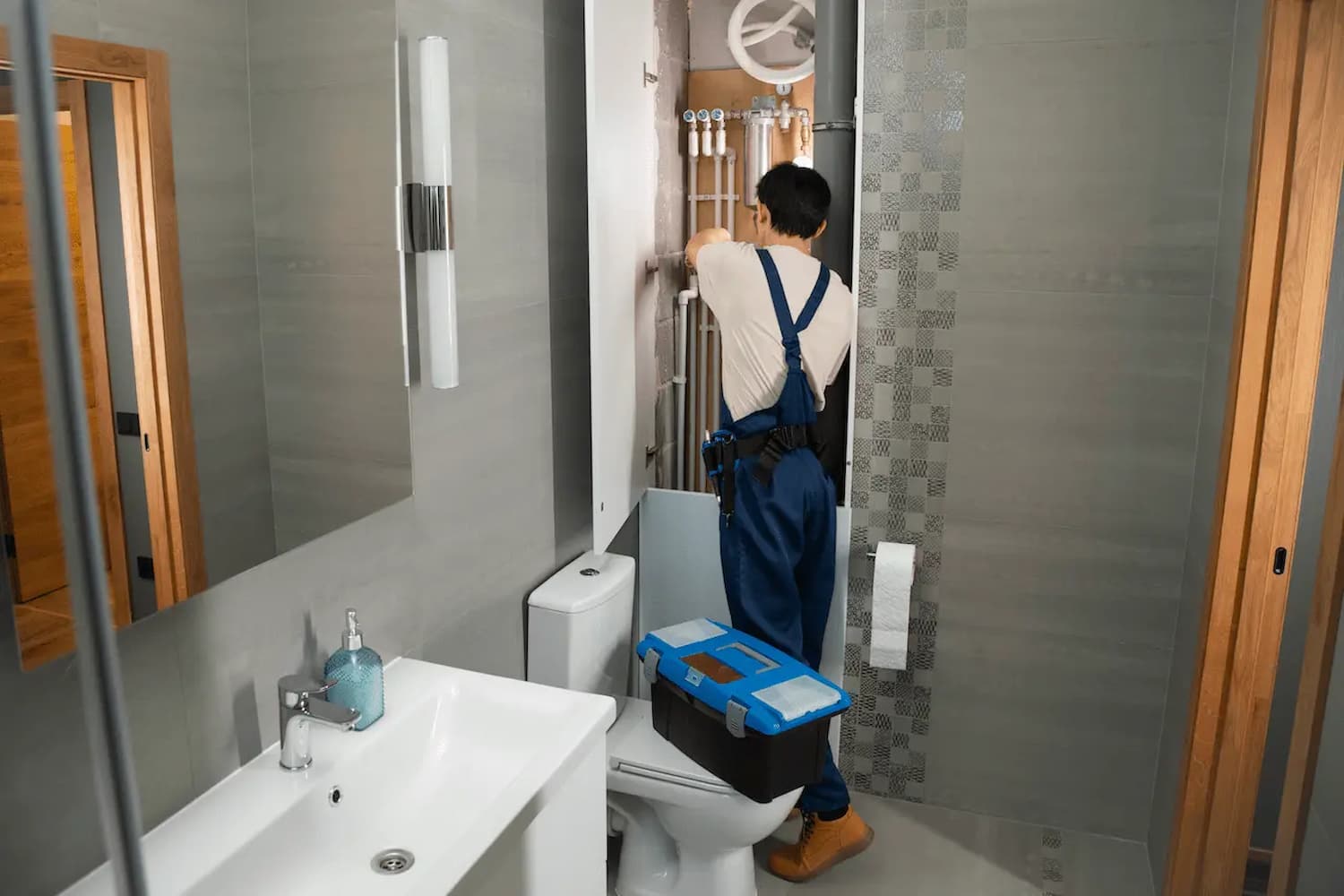
One of the clearest signals to replace bathroom fixtures is cost inefficiency. When repair expenses approach 50 percent of the price of a new fixture, replacement makes more financial sense.
Consider the cumulative cost of:
• Service call fees
• Replacement cartridges
• Valve rebuild kits
• Labor for disassembly
If repairs are becoming routine, it indicates systemic wear rather than isolated failure. I advise clients to evaluate total maintenance spending over the past three years before deciding to repair again.
A strategic replacement eliminates recurring service costs and restores reliability.
Hidden Plumbing Valve Failures
Shower valves are particularly prone to hidden deterioration. When internal pressure balancing systems fail, temperature fluctuation becomes a safety concern.
Symptoms that signal replacement include:
• Sudden bursts of hot or cold water
• Difficulty adjusting temperature
• Handle resistance
• Water leakage behind trim plates
These issues often originate inside the wall. Repairing isolated components without replacing the entire valve body may not resolve the root cause. In these situations, I recommend a full fixture replacement to ensure long term safety and compliance.
Visible Rust and Finish Breakdown
Cosmetic deterioration can indicate structural decline. Rust around mounting bases or finish peeling often signals compromised metal beneath the surface.
Surface refinishing rarely solves internal oxidation. Once metal components begin to corrode, their structural integrity weakens.
When rust is visible on supply connections or mounting hardware, I typically advise replacing the entire assembly to prevent leaks and long term damage.
During Bathroom Renovation Planning
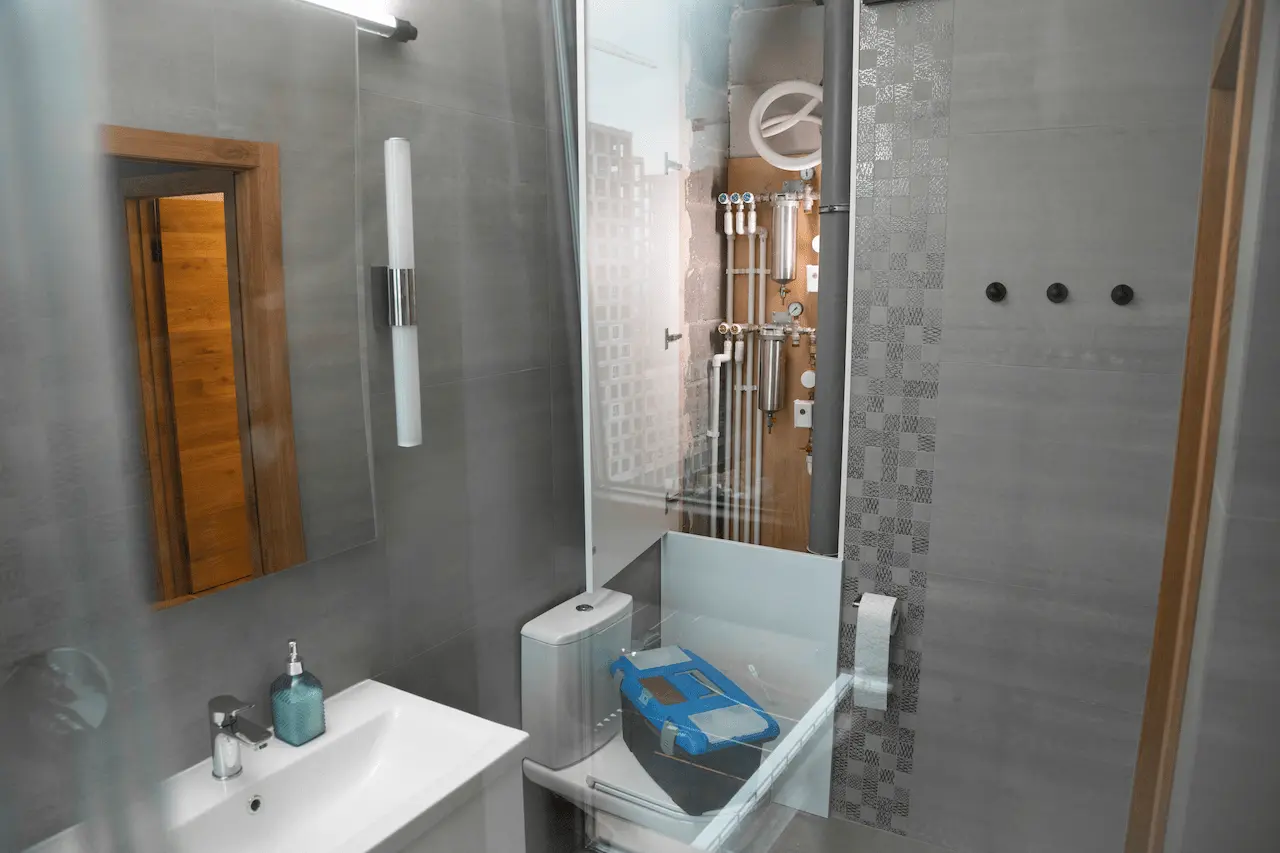
If a homeowner is already investing in tile, cabinetry, or layout changes, keeping aging fixtures is rarely practical.
Labor accounts for a significant portion of renovation cost. Installing new fixtures during renovation avoids reopening finished surfaces later.
During bathroom renovation planning, I align fixture replacement with:
• Updated plumbing connections
• New vanity installation
• Improved drainage alignment
• Water efficiency upgrades
This ensures cohesive performance and reduces future disruptions.
Water Efficiency and Utility Savings
Older fixtures consume more water than modern certified models. Replacing outdated faucets and shower heads can significantly reduce water usage without sacrificing pressure.
Newer fixtures provide:
• Optimized aeration
• Consistent pressure balancing
• Lower gallon per minute output
In homes seeking long term operational savings, the decision to replace bathroom fixtures can improve both sustainability and monthly expenses.
Signs That Repair May Still Be Appropriate
Replacement is not always necessary. If a fixture is relatively new and experiencing a single component failure, repair can be reasonable.
Situations where I may recommend repair include:
• Minor cartridge failure in a modern faucet
• Loose handle mechanism
• Recently installed fixtures under warranty
The key factor is age and overall condition. When the fixture body remains structurally sound, targeted repair can extend service life efficiently.
Evaluating Long Term Property Value
Buyers notice outdated bathrooms quickly. Even small hardware updates can influence perception of maintenance quality.
Upgrading fixtures before listing a property can:
• Improve visual appeal
• Increase buyer confidence
• Signal proactive maintenance
From a property value perspective, modern fixtures provide measurable return compared to ongoing patch repairs.
Conclusion
The decision to repair or replace bathroom fixtures should be based on lifecycle stage, cost efficiency, structural integrity, and long term value. I evaluate age, frequency of failure, internal corrosion, and renovation plans before recommending action. When repeated repairs become routine or safety concerns arise, replacement becomes the smarter investment. Strategic upgrades restore reliability, improve water efficiency, and protect the surrounding structure from hidden damage.
Why Choose Us
At Capital Kitchen and Bath, I approach fixture decisions with technical precision and long term performance in mind.
• Detailed inspection before recommending repair or replacement
• Cost comparison analysis to prevent unnecessary spending
• Professional installation aligned with plumbing standards
• Water efficient upgrade recommendations
• Structured renovation planning support
Frequently Asked Questions
How do I know if my bathroom faucet needs replacement
If the faucet leaks repeatedly, shows corrosion, or has required multiple repairs within a short period, replacement is often more practical than continued servicing.
Is it cheaper to repair or replace bathroom fixtures
Repair may cost less initially, but repeated service calls and part replacements can exceed the cost of a full replacement over time.
How long do bathroom fixtures typically last
Most bathroom faucets last between 15 and 20 years, while internal shower valves may need replacement sooner depending on water quality.
Can old fixtures increase water bills
Yes, outdated fixtures often use more water and may leak internally, increasing monthly utility expenses.
Should I replace fixtures during a bathroom remodel
Yes, replacing fixtures during renovation avoids future labor duplication and ensures consistent design and plumbing performance.