
I have seen firsthand that many homeowners begin a renovation with excitement but without a clear strategy for deciding which spaces should be improved first. During a large renovation project, every room can feel equally important, which makes the process difficult to organize. Without a structured plan, the renovation can become confusing and expensive.
When I guide homeowners through renovation planning, I always explain that understanding full home remodel priorities helps create a smoother and more organized process. When the most important spaces are addressed first, homeowners can control renovation costs, reduce disruption, and improve the overall success of the project.
Why Prioritizing Rooms Matters in a Full Home Remodel
A whole house renovation involves multiple spaces that require different types of work, materials, and timelines. Without a clear plan, homeowners sometimes attempt to renovate too many areas at the same time. This approach often leads to delays and unnecessary expenses.

I have seen firsthand that establishing clear full home remodel priorities allows the project to move forward in a logical sequence. When essential rooms are upgraded first, homeowners can maintain daily routines more comfortably while other spaces are still under construction.
Prioritizing rooms also ensures that structural improvements and functional upgrades are completed before cosmetic changes. This strategy protects the renovation investment and improves the long term performance of the home.
Understanding Renovation Goals Before Starting
Before beginning construction, I always focus on understanding the goals of the homeowner. Every household uses its space differently, so renovation planning should reflect those daily habits.
Some families prioritize cooking and entertaining, while others focus on workspace, relaxation areas, or storage. Defining these priorities helps determine which rooms should be renovated first.
Several practical factors help guide this decision.
• The condition of each room in the home
• Daily routines and household activities
• Long term property value improvements
• Overall comfort and usability of the living space
When these goals are clearly defined, homeowners can make more confident renovation decisions.
Common Challenges During Whole House Renovations
Many homeowners underestimate how complex a large renovation can be. Remodeling projects involve contractor coordination, construction timelines, and material availability.
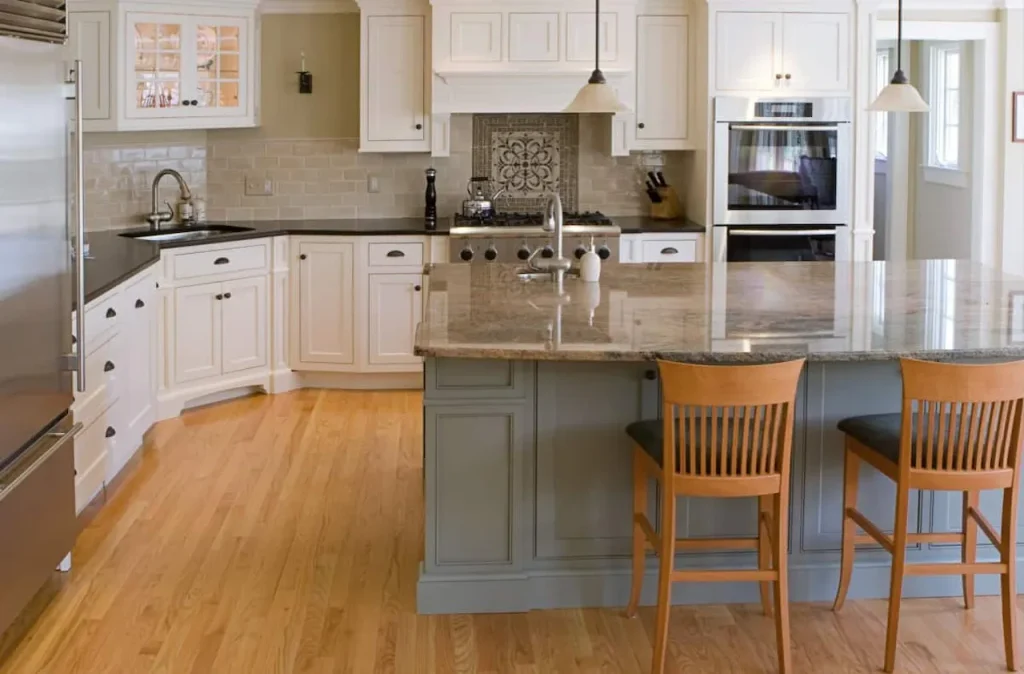
Without proper planning, these elements can create delays and unexpected budget increases.
I have seen situations where homeowners begin with decorative upgrades before addressing structural issues. When this happens, certain rooms must be renovated twice, which increases both time and cost.
A clear renovation strategy prevents these challenges and ensures that each stage of construction supports the next phase.
Key Factors to Consider Before Deciding Which Rooms to Remodel First
Before deciding which rooms should be addressed first, I always evaluate several important factors. These elements help create a renovation plan that balances functionality, efficiency, and long term value.
Important considerations include:
• Structural condition of the home
• Daily household functionality
• Renovation budget planning
• Long term durability of materials and systems
By evaluating these factors together, homeowners can establish practical full home remodel priorities that guide the renovation process.
Rooms That Usually Should Be Renovated First
Certain spaces naturally deserve early attention because they influence daily life more than others. In my experience, improving these areas first often creates the greatest impact on comfort and functionality.
Kitchen Remodeling Priority
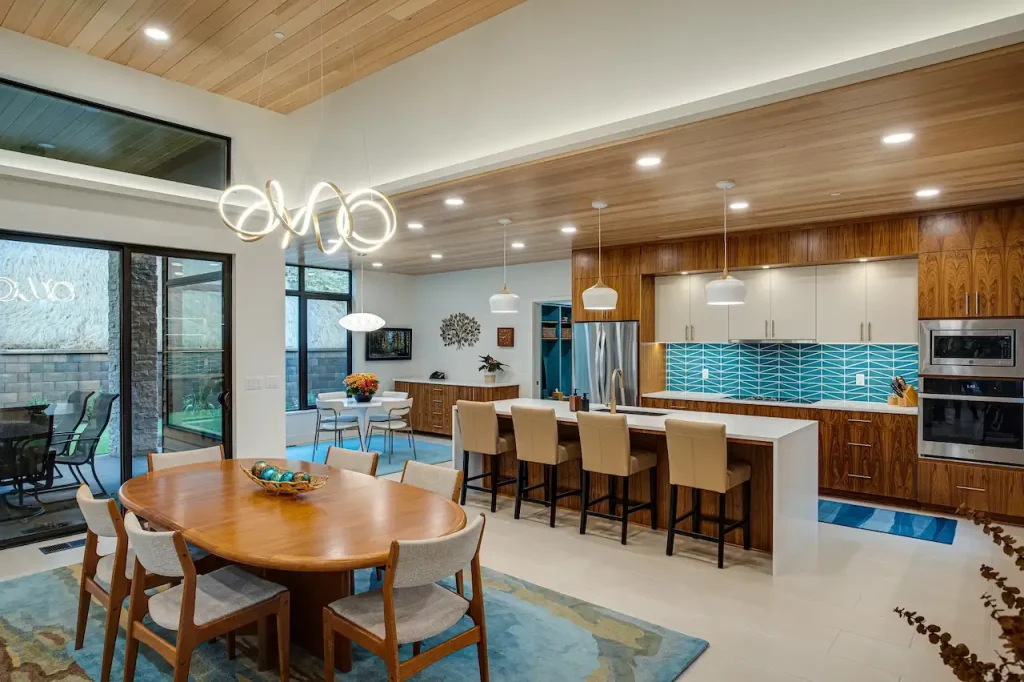
The kitchen is typically the most active space in the home. It supports cooking, family interaction, and daily routines.
I have seen firsthand that upgrading the kitchen early in the renovation often provides the greatest improvement in both usability and property value. A well designed kitchen improves workflow, increases storage, and supports daily activities more efficiently.
Because the kitchen connects with other areas of the home, renovating it first often helps guide the overall design direction of the project.
Bathroom Renovation Importance
Bathrooms are another essential space that often require early attention. Aging plumbing, inefficient layouts, and outdated fixtures can reduce daily comfort.
I usually recommend addressing bathroom upgrades early in the project because these rooms are necessary for everyday living. Renovating them first helps maintain functionality throughout the renovation.
Living Areas and Shared Spaces
Living rooms and dining spaces are central gathering areas in most homes. These spaces influence how the home feels during everyday life as well as social gatherings.
Renovating shared spaces early improves the flow between rooms and helps create a consistent design style throughout the house.
Rooms That Can Be Renovated Later
Not every room requires immediate renovation during a large remodeling project. Some areas can remain functional while more important spaces are upgraded first.
Bedrooms and Personal Spaces
Bedrooms often remain comfortable even when their finishes or design elements are outdated. Many homeowners choose to renovate bedrooms later in the project after kitchens and bathrooms have been completed.
This approach allows renovation resources to focus first on high impact spaces while still maintaining usable sleeping areas.
Basements and Storage Areas
Basements and storage spaces typically have lower renovation priority unless structural problems exist.
Because these areas are used less frequently, they can often be improved during later stages of the renovation process.
Laundry Rooms and Utility Spaces
Laundry rooms and utility areas support household operations but usually require fewer immediate upgrades.
I often suggest addressing these spaces later in the renovation timeline after the main living areas have been improved.
Creating a Practical Remodeling Timeline
A successful renovation requires careful scheduling and coordination. Without a clear timeline, construction phases can overlap and cause unnecessary delays.
Planning Renovation Phases
I always recommend dividing the renovation into structured phases. This allows homeowners to complete structural improvements, functional upgrades, and design changes in an organized order.
Phased remodeling helps reduce disruption and allows each stage of construction to build logically on the previous one.
Coordinating Contractors and Materials
One of the most common causes of renovation delays is poor coordination between contractors and suppliers.
At Capital Kitchen and Bath, we organize renovation schedules carefully so each stage of construction supports the next phase of the remodel. This planning approach helps homeowners maintain clear full home remodel priorities throughout the project.
How Professional Remodeling Guidance Helps Prioritize Projects
Planning a large renovation involves many decisions that influence both comfort and long term property value.
Working with experienced professionals helps homeowners create a clear strategy that aligns with their lifestyle and renovation budget.
At Capital Kitchen and Bath, we guide homeowners through renovation planning by evaluating the condition of the home, understanding household routines, and defining project goals. This process helps establish effective full home remodel priorities that lead to a more functional and comfortable living space.
Conclusion
Prioritizing rooms carefully is one of the most important steps in planning a successful renovation. I have seen firsthand that when homeowners define clear full home remodel priorities, the entire remodeling process becomes more organized and efficient.
Focusing on structural needs and high use spaces first improves daily comfort while allowing the rest of the renovation to progress smoothly. With proper planning and a structured approach, a full home remodel can transform a house into a more functional and comfortable environment.
Why Choose Capital Kitchen and Bath
At Capital Kitchen and Bath, we approach every renovation project with practical experience and a focus on long term results.
• We provide expert planning for large renovation projects
• Our team helps homeowners prioritize rooms based on function and budget
• We design remodeling solutions that improve daily living and property value
• Our installation process focuses on precision and durability
• We support homeowners with professional kitchen and bathroom remodeling expertise
Frequently Asked Questions
What room should be remodeled first in a house renovation
The kitchen is usually the first priority because it supports daily household activity and influences the functionality of the entire home.
Should bathrooms be renovated early in a remodel
Yes. Bathrooms are essential spaces that affect daily routines, so updating them early helps maintain comfort during renovation.
How do homeowners decide which rooms to renovate first
Homeowners should evaluate structural conditions, daily room usage, and renovation budgets to determine which spaces should take priority.
Can bedrooms be renovated later in a full home remodel
Yes. Bedrooms often remain usable during renovation, which allows homeowners to focus first on kitchens, bathrooms, and shared spaces.
Why is renovation planning important in a full home remodel
Planning helps organize construction phases, control renovation costs, and ensure each stage of the project supports long term functionality.