
When I prepare a kitchen for new cabinetry, I treat cabinet removal as a critical structural phase rather than simple demolition. Many homeowners underestimate the precision required to remove old cabinets without damaging walls, plumbing lines, or electrical systems. A careless removal process can create delays, increase repair costs, and compromise the quality of the new installation. I approach this step with a structured safety plan, proper sequencing, and clear protection measures. When executed correctly, removing old cabinets sets the foundation for a smooth and efficient cabinet installation process.
Assess the Existing Cabinet Structure Before Starting
Before I begin to remove old cabinets, I conduct a full inspection of the kitchen layout. Cabinets are often attached directly into wall studs, anchored to neighboring units, and secured beneath countertops.
I evaluate:
• How wall cabinets are fastened
• Whether base cabinets are connected to flooring or only wall studs
• The condition of surrounding drywall
• Proximity to plumbing and electrical lines
Understanding attachment points prevents accidental wall damage and ensures controlled removal rather than forceful detachment.
Turn Off Utilities Before Cabinet Removal
Safety begins with shutting down all connected utilities. Before disconnecting anything, I turn off the water supply at the shutoff valve and confirm that no water pressure remains in supply lines.
If cabinets surround sinks or appliances, I also:
• Disconnect plumbing traps carefully
• Cap exposed water lines if necessary
• Shut off electrical breakers supplying nearby outlets
Removing cabinets without securing utilities increases the risk of leaks, short circuits, and injury.
Protect Surrounding Surfaces and Flooring

During the cabinet removal process, falling debris and tool slips can damage floors, backsplashes, and appliances. I always protect the work area before loosening any screws.
Protection steps include:
• Laying heavy duty floor covering
• Removing fragile appliances from the workspace
• Covering countertops if they are being reused
• Using drop cloths to catch debris
These preventative measures minimize repair costs and preserve the integrity of surrounding finishes.
Remove Wall Cabinets First
I always start with wall cabinets before base cabinets. Removing upper units first eliminates the risk of instability once lower supports are detached.
The process involves:
• Locating mounting screws inside cabinet interiors
• Supporting the cabinet weight before loosening fasteners
• Removing screws from studs systematically
• Lowering cabinets carefully with assistance if necessary
Wall cabinets are often heavier than expected, especially solid wood units. Controlled removal prevents injury and drywall damage.
Detach Base Cabinets in a Controlled Sequence
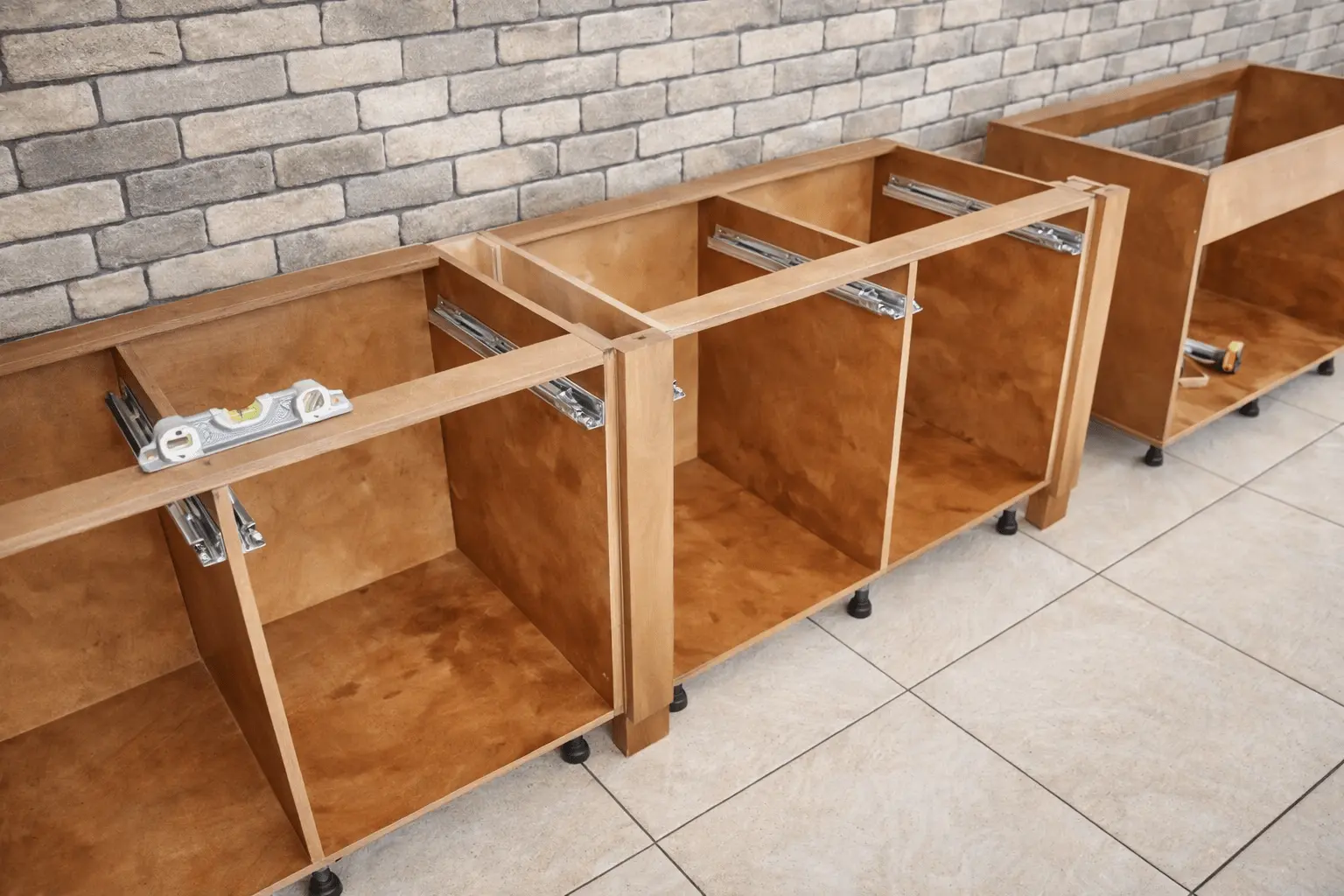
After upper cabinets are removed, I move to base cabinets. These are usually secured to the wall studs and sometimes to each other.
To detach them properly, I:
• Remove interior shelving and doors to reduce weight
• Disconnect any plumbing connections fully
• Locate and remove mounting screws along the back panel
• Separate adjoining cabinet units carefully
If countertops are still attached, they must be removed first unless they are being replaced entirely.
Handle Countertop Removal Properly
In many kitchen renovation projects, countertops are replaced along with cabinets. However, if countertops are being reused, extra care is necessary.
Stone or solid surface countertops are typically secured with adhesive and brackets. I avoid prying aggressively, as this can crack the surface or damage backsplash tile.
If countertops are scheduled for disposal, removal becomes more straightforward but still requires controlled handling to prevent structural damage beneath.
Avoid Damaging Wall Studs and Drywall
When I remove old cabinets, I focus on preserving wall integrity for the new installation. Excessive force can tear drywall or loosen studs.
Instead of pulling cabinets away from the wall, I:
• Remove every visible fastener first
• Use gentle prying techniques only after confirming screws are removed
• Inspect stud alignment once cabinets are detached
Preserving stud condition ensures the new cabinets can be installed securely without additional framing repair.
Inspect Plumbing and Electrical After Removal
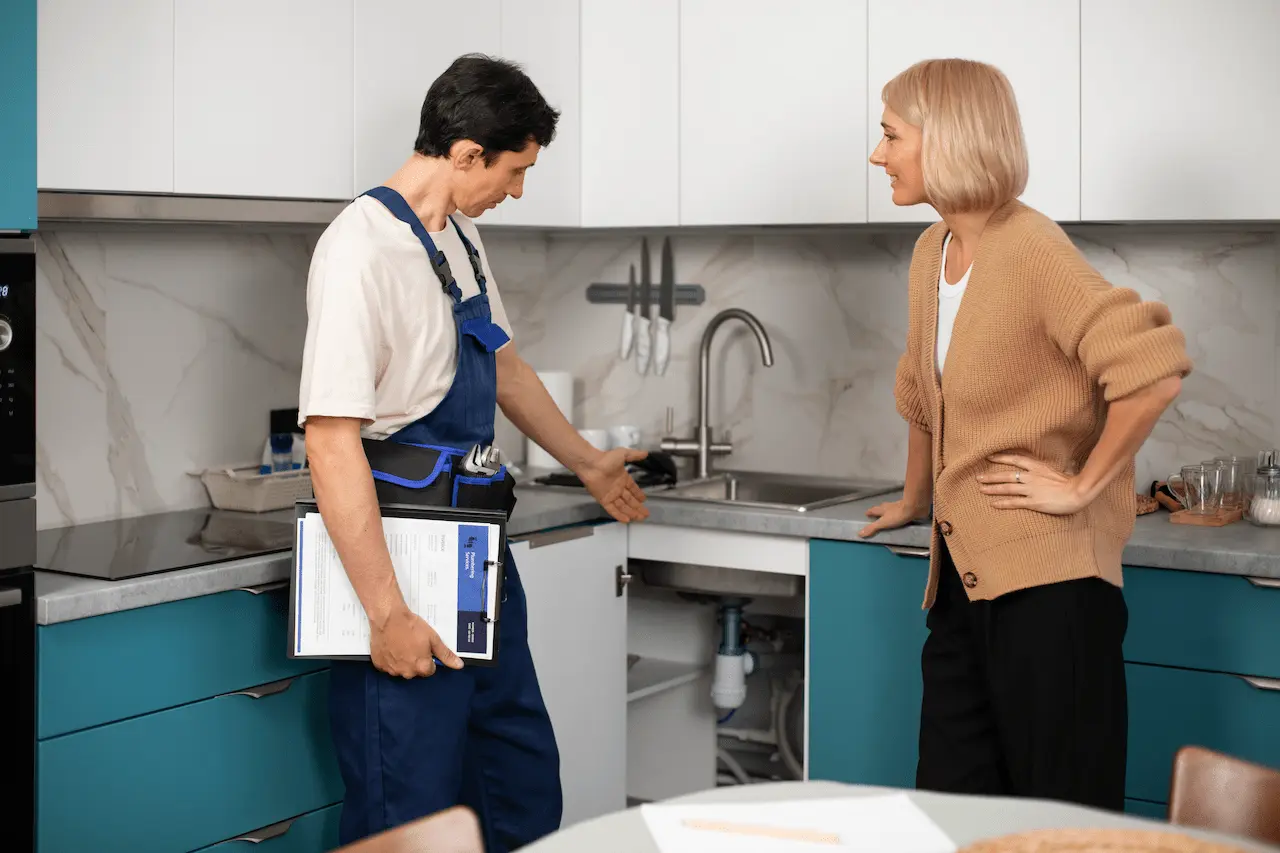
Once cabinets are removed, I conduct a thorough inspection of exposed plumbing lines and electrical wiring.
This is the ideal time to:
• Check for outdated shutoff valves
• Identify corroded supply lines
• Upgrade electrical outlets if needed
• Reposition wiring for new cabinet layout
Skipping this inspection phase often leads to problems during new cabinet installation. I use removal as an opportunity to correct hidden issues before the next stage begins.
Prepare the Wall Surface for Installation
After removal, walls rarely remain perfectly clean or level. I evaluate the surface for dents, screw holes, and uneven drywall.
Preparation may involve:
• Patching screw holes
• Sanding rough areas
• Confirming wall plumb alignment
• Ensuring floor level accuracy for base cabinets
New cabinets depend on flat, stable surfaces. Proper preparation prevents alignment issues later.
Evaluate Whether Professional Assistance Is Necessary
While some homeowners attempt cabinet removal independently, complexity varies significantly depending on layout and material.
I recommend professional assistance when:
• Cabinets are integrated into structural framing
• Stone countertops must be preserved
• Plumbing relocation is required
• Electrical wiring runs through cabinet structures
Improper removal can increase installation costs and compromise safety. Structured planning reduces risk and ensures readiness for new cabinetry.
Timeline Expectations for Cabinet Removal
Cabinet removal is not a rushed process. Depending on kitchen size and attachment methods, the process may take several hours to a full day.
Factors that influence timing include:
• Number of cabinet units
• Condition of fasteners
• Complexity of plumbing connections
• Countertop removal requirements
Allowing sufficient time prevents mistakes and supports a smooth transition into the cabinet installation phase.
Safety Principles That Guide Every Project
When I remove old cabinets, I rely on three core safety principles:
>> Preparation
>> Controlled detachment
>> Structural preservation
This structured approach protects the home, ensures safety, and prepares the space properly for new cabinetry. Cabinet removal is not demolition. It is the first step in a carefully sequenced renovation process.
Conclusion
Removing old cabinets is not simply a demolition task. It requires planning, utility control, structural awareness, and careful sequencing. I approach this phase with precision because the quality of cabinet installation depends directly on how well the removal is handled. When cabinets are removed safely and surfaces are properly prepared, the installation process becomes faster, cleaner, and structurally sound. A disciplined removal strategy protects your home and ensures long term performance of your new cabinetry.
Why Choose Us
At Capital Kitchen and Bath, I manage cabinet removal and installation with technical accuracy and renovation expertise.
• Structured removal process that protects walls, plumbing, and electrical systems
• Careful surface preparation before new cabinet installation
• Professional coordination of plumbing and electrical adjustments
• Efficient project sequencing to prevent delays
• Quality control standards throughout the renovation process
Frequently Asked Questions
Do I need to turn off the water before removing cabinets
Yes, if cabinets surround a sink or plumbing lines, shutting off the water supply is essential to prevent leaks and damage.
Can I remove old kitchen cabinets myself
You can remove them if they are not structurally integrated and utilities are properly disconnected, but professional oversight reduces risk.
Should countertops be removed before cabinets
If countertops are being replaced, they are typically removed first. If they are being reused, removal must be handled carefully to avoid cracking.
How long does it take to remove kitchen cabinets
Most standard kitchens require several hours to a full day depending on layout, attachment methods, and plumbing complexity.
Will cabinet removal damage my walls
If screws are removed properly and cabinets are detached in sequence, wall damage can be minimized and easily repaired before installation.